 |
 |
||
 |
 |
||
 |
 |
 |
 |
 |
 |
|
|---|---|---|
 |
||
 |
|
|
|
||
 |
 |
 |
 |
apply to home loan with confidence and clarityWhat lenders look forBefore you submit, know how file reviews work. Lenders examine your income history, credit profile, monthly obligations, and savings to judge risk and affordability. A strong application pairs reliable earnings with manageable debt and some cash reserves for closing and emergencies.
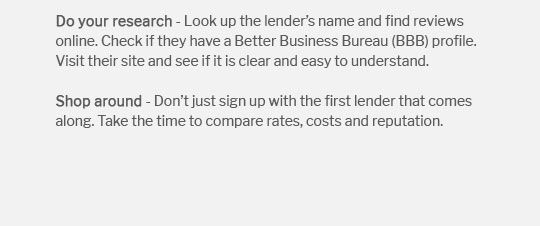
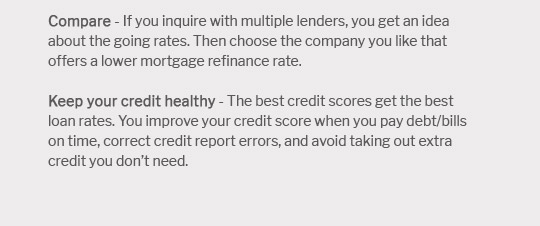
Steps to get startedSet a budget, pull your credit, and fix errors. Gather paperwork, then request preapproval to learn your target price and rate range. Compare at least three lenders-banks, credit unions, and online options-and weigh total costs, not just the teaser rate. Lock only after reviewing estimates line by line, asking about points, mortgage insurance, and timelines. Choose a fixed or adjustable term that suits your plans, and keep big purchases on hold until the keys are in your hand.
Main Topic:
20 Year Home Loan
https://myhome.freddiemac.com/buying/applying-for-a-home-loan
To get pre-approved, you'll complete your lender's loan application, providing important information about your credit, debt, work history, down payment and ... https://www.regions.com/personal-banking/home-loans/mortgage
We can help with a wide range of loan options to serve any financial situation. You can count on your Regions banker to provide true personal service. https://www.lendingtree.com/home/mortgage/how-to-apply-for-a-home-loan/
How to Apply for a Home Loan in 6 Steps - 1. Gather your financial paperwork - 2. Know basic mortgage loan requirements - 3. Choose the right mortgage type - 4.
|
|---|
