 |
 |
||
 |
 |
||
 |
 |
 |
 |
 |
 |
|
|---|---|---|
 |
||
 |
|
|
|
||
 |
 |
 |
 |
first time home loan with bad credit: realistic paths to approvalWhat it really meansBad credit doesn’t end your homeownership plans. Lenders weigh debt, income stability, reserves, and payment history. Programs like FHA, VA, and some state-backed options allow lower scores but expect compensating strengths such as steady rent payments, a larger down payment, or manual underwriting. Benefits you can still accessEven with blemishes, a smart plan can unlock real advantages.
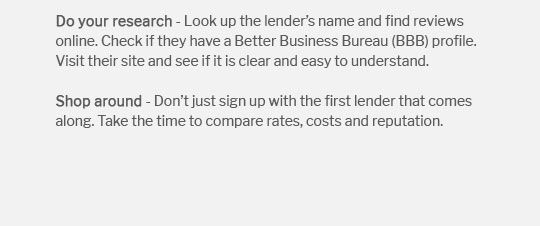
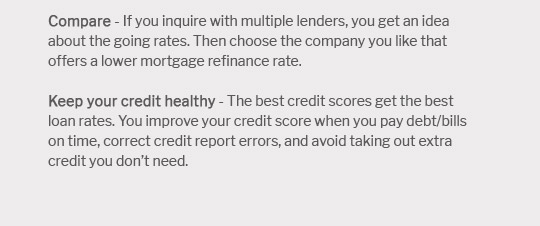
How to improve your oddsBefore applying, pay down revolving balances to below 30% utilization, dispute clear errors, document rent and utility payments, and save for reserves. A co-borrower with stronger credit, or choosing a smaller starter home, can lower risk and monthly cost. Most important: compare three quotes on the same day, ask for a detailed loan estimate, and negotiate fees; even a small rate drop can save thousands.
Main Topic:
First Time Home Loan Qualifications
https://www.houzeo.com/blog/how-to-buy-a-house-with-bad-credit-florida/
FHA Loans: With FHA loans, you can buy a house with a credit score as low as 500 with a 10% down payment. If your score is 580 or above, you can ... https://www.nerdwallet.com/best/mortgages/mortgage-lenders-for-low-credit-score-borrowers
New American Funding: Best for FHA loans - Rate: Best for fast preapproval - Wells Fargo: Best for VA loans - First Federal Bank: Best for ... https://www.creditkarma.com/home-loans/i/bad-credit-home-loan
FHA loans allow borrowers with down payments as low as 3.5% to qualify for mortgage loans, as long as their credit scores are 580 or higher. For ...
|
|---|
