 |
 |
||
 |
 |
||
 |
 |
 |
 |
 |
 |
|
|---|---|---|
 |
||
 |
|
|
|
||
 |
 |
 |
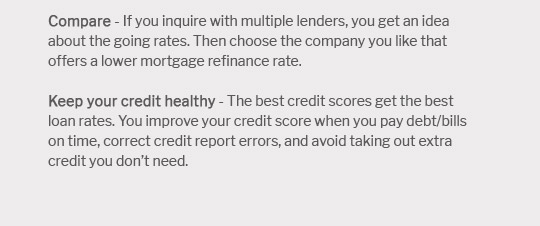 |
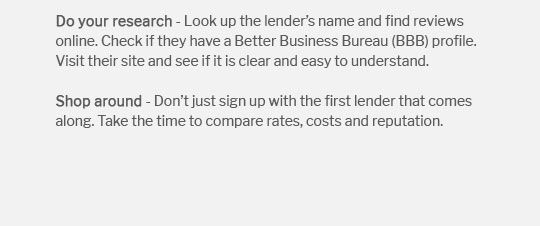
home loan rates wisconsin insights for smart borrowersUnderstanding the landscapeIn Wisconsin, mortgage pricing reflects national trends and local dynamics, from lender competition in metro areas to rural appraisal norms. Your credit score, down payment, and loan type (conventional, FHA, VA) shape the offer you see, as do market shifts linked to inflation and Federal Reserve policy. What drives your rateLenders price risk. Strong credit, a lower debt-to-income ratio, and a modest loan-to-value can earn a better note rate. Points, term length, and whether the home is a primary residence or second home also matter. Don’t ignore APR, which bundles interest with fees to show true cost. Pros and cons to weighLower rates are appealing, but the cheapest headline isn’t always the best deal for your plans.
How to compare offersCollect same-day quotes, confirm the lock period, compare APRs, and estimate break-even on any points. Negotiate lender credits, and reassess just before locking if markets move.
Main Topic:
Home Loan Rates 2021
https://www.usbank.com/home-loans/mortgage/mortgage-rates/wisconsin.html
Compare Wisconsin mortgage rates. The following tables are updated daily with current mortgage rates for the most common types of home loans. https://www.nerdwallet.com/mortgages/mortgage-rates/wisconsin
Today's mortgage rates in Wisconsin are 6.856% for a 30-year fixed, 5.945% for a 15-year fixed, and 7.279% for a 5-year adjustable-rate mortgage ... https://www.bankrate.com/mortgages/mortgage-rates/wisconsin/
Current mortgage rates in Wisconsin. As of Sunday, March 16, 2025, current interest rates in Wisconsin are 6.85% for a 30-year fixed mortgage and 6.18% for a 15 ...
|
|---|
